



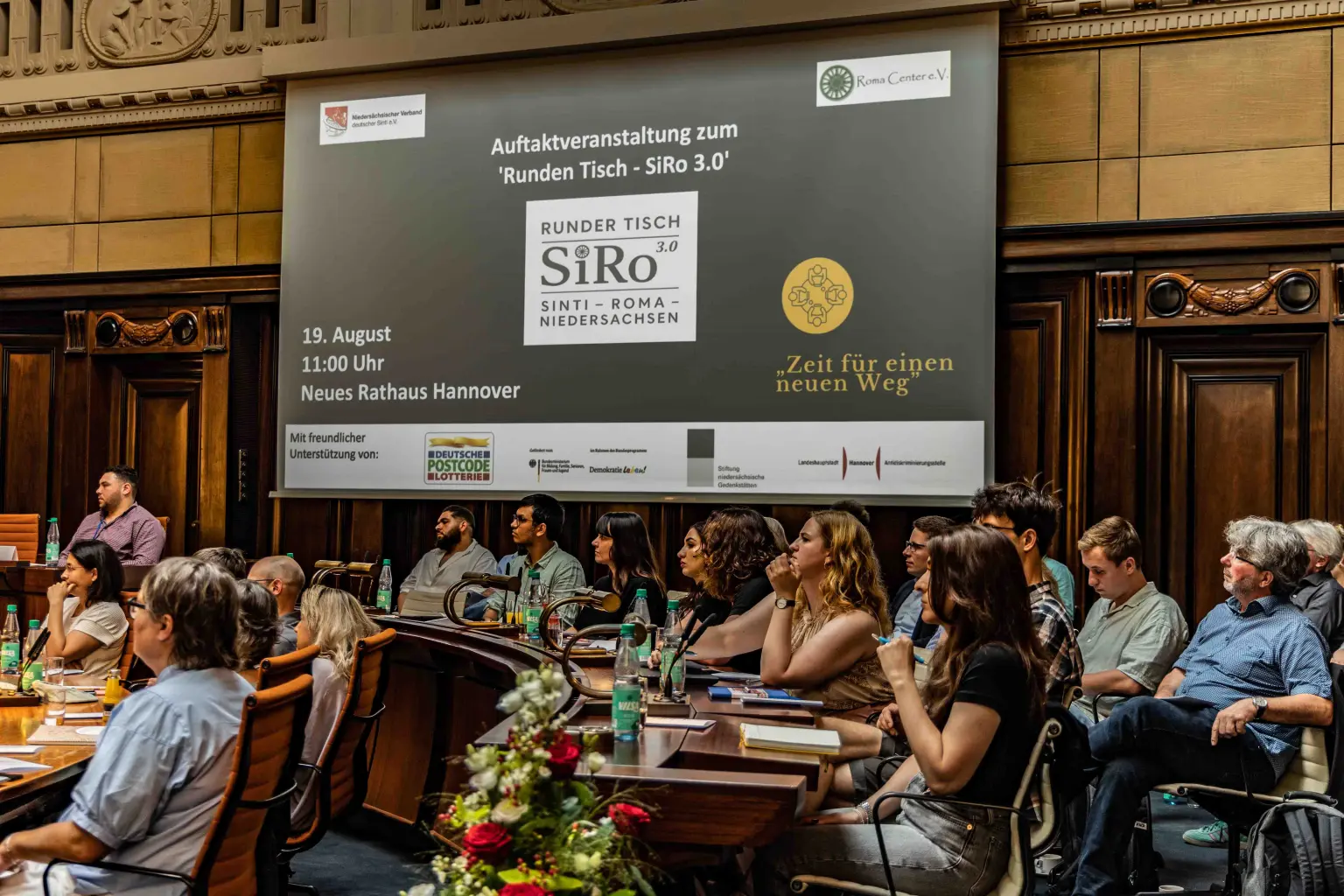
On 19 August 2025, a historic milestone was reached at Hanover’s New Town Hall: the ceremonial opening of the “Round Table – SiRo 3.0.” For the first time in the Federal Republic of Germany, the political self-representations of Sinti and Roma have been institutionally integrated at state level into a joint body — on an equal footing with politics, academia, and public administration. Its aim is to analyze, name, and effectively overcome structural discrimination.
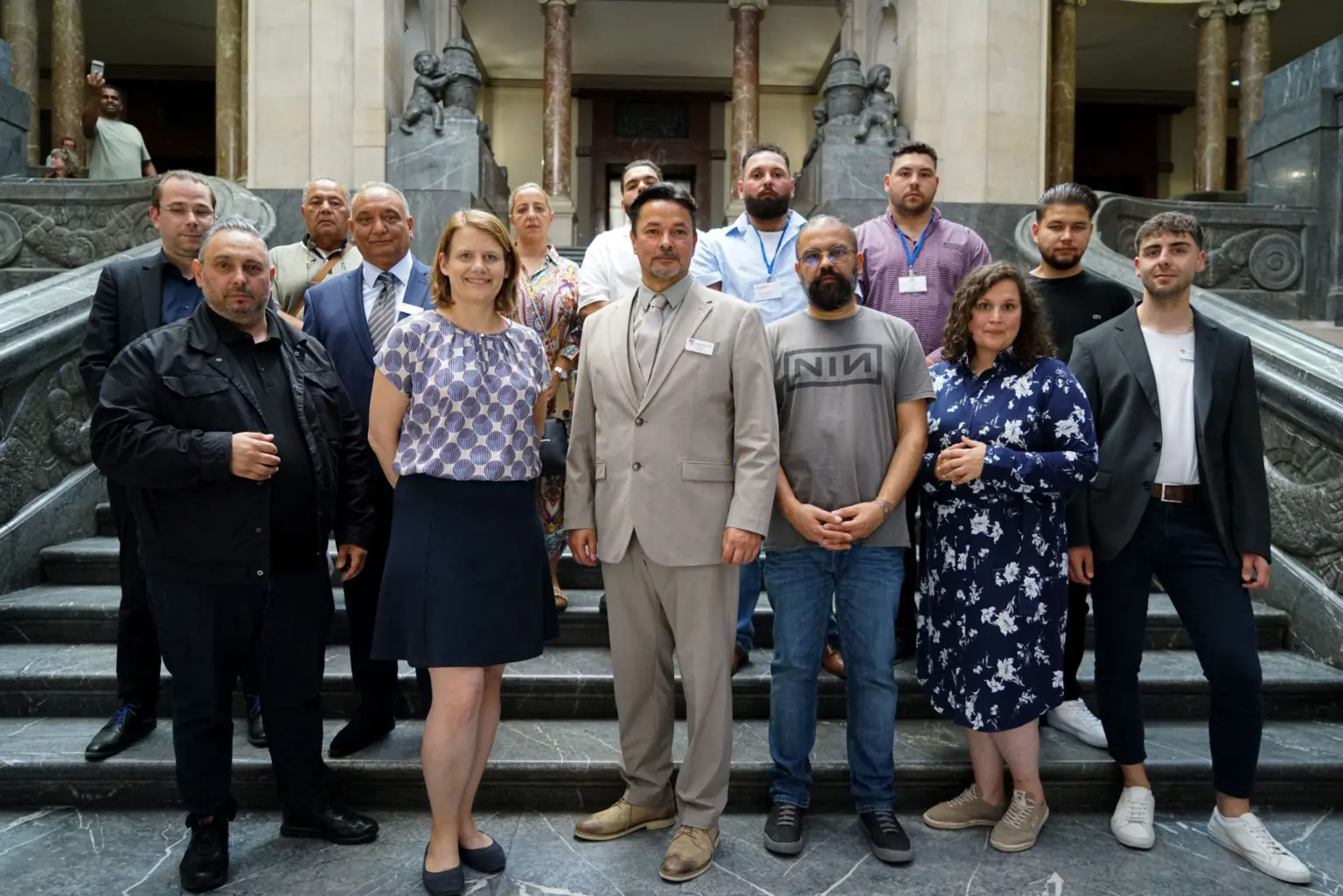
The organization and coordination of the new body and the opening event were carried out by the two full-time community competence centers in Lower Saxony — the Lower Saxony Association of German Sinti and Roma Center e.V. They contribute their many years of expertise in content-related steering, moderation, and culturally and situationally sensitive process design to the active work of the committee. In doing so, the two chairs of the respective interest groups — Mario Franz, President of the Lower Saxony Association of German Sinti e.V., and Kenan Emini, Chair of Roma Center e.V. — also sought in particular to give space to the perspectives of the new and third generation after the genocide.
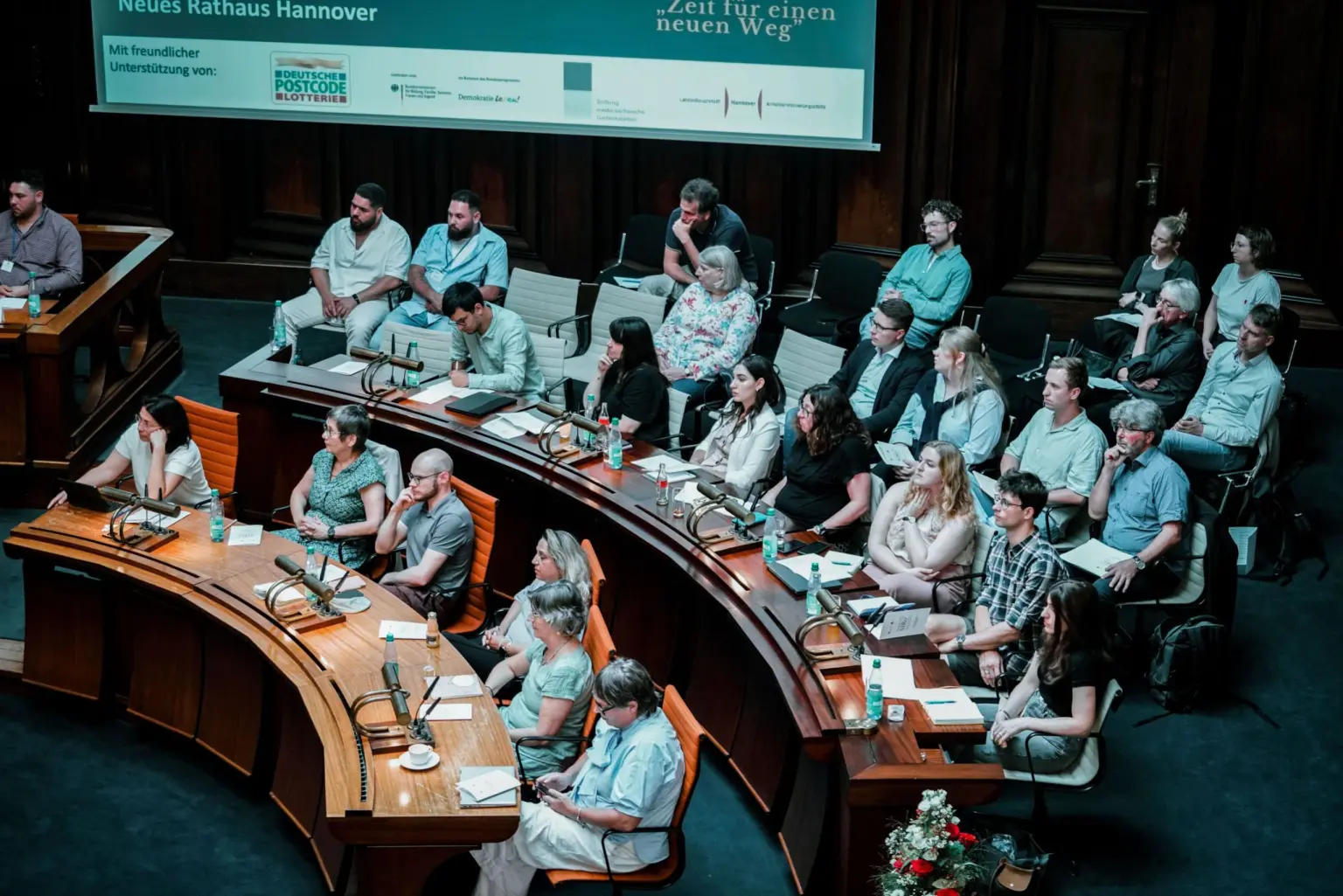
More than 80 institutions from public administration, academia, civil society, and community-based work took part in the opening. In this way, a space was created in which majority society and minority communities can jointly assume responsibility and shape anti-discrimination processes on an equal footing.
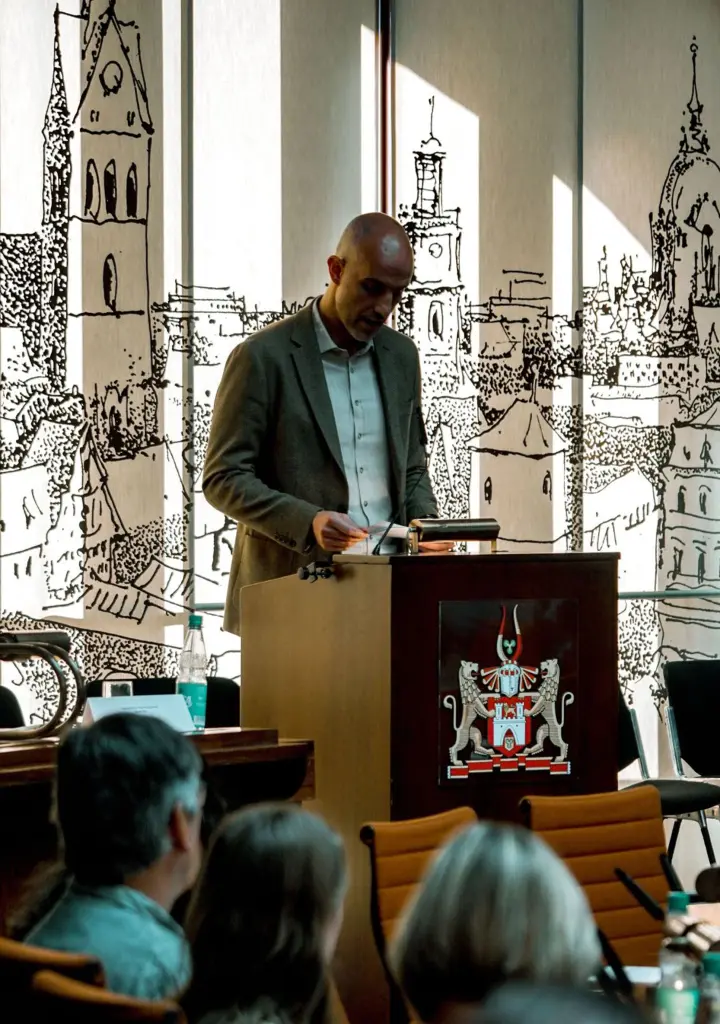
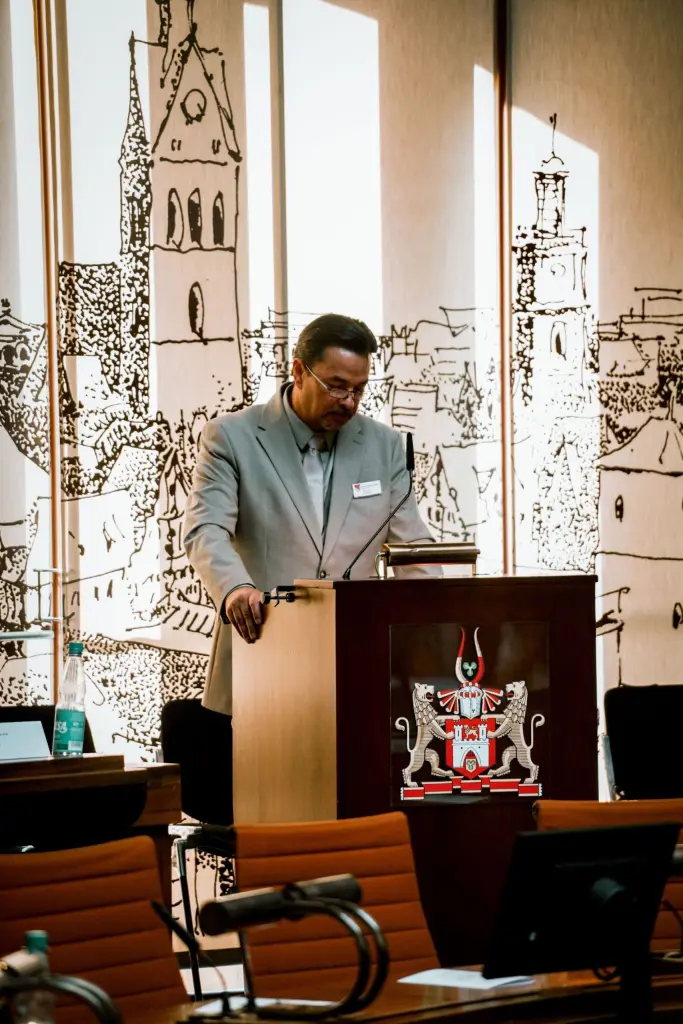
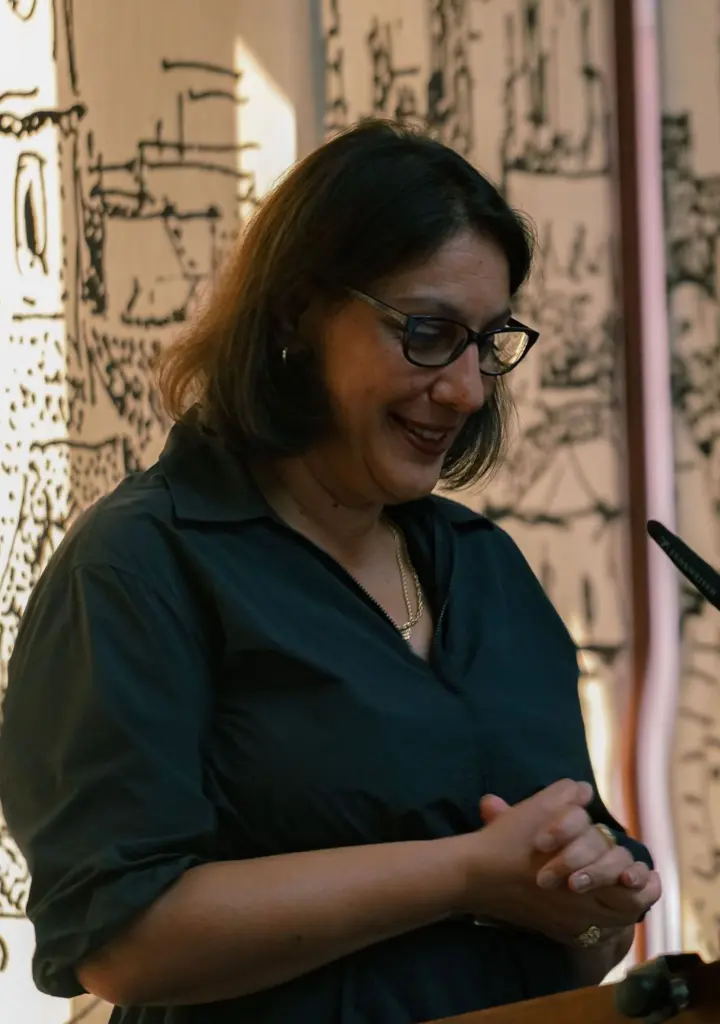
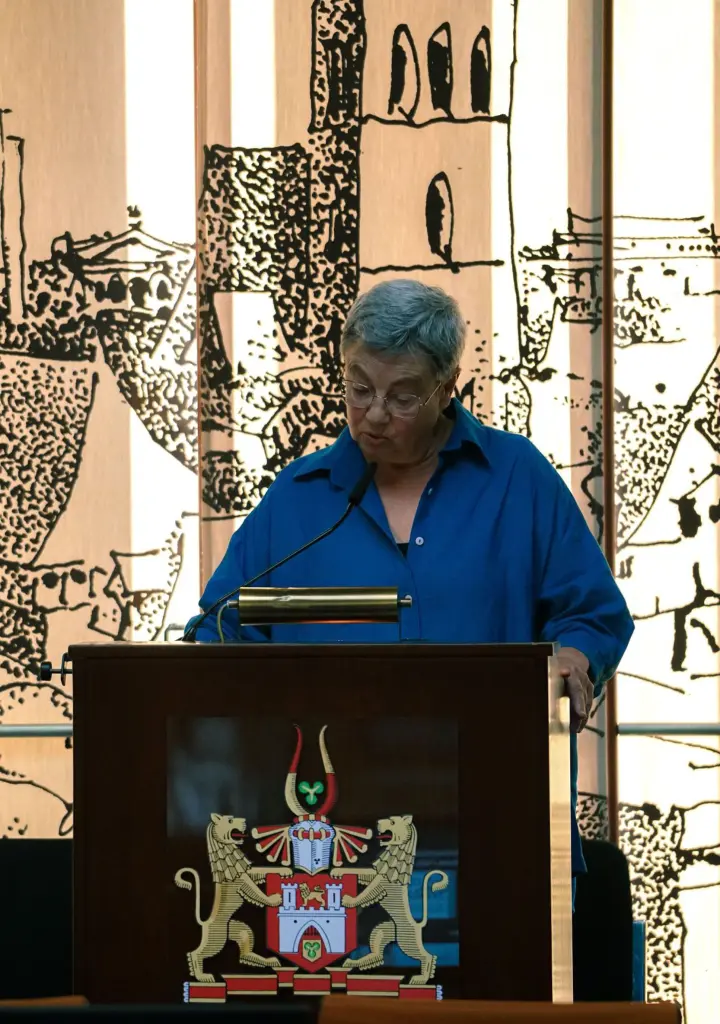
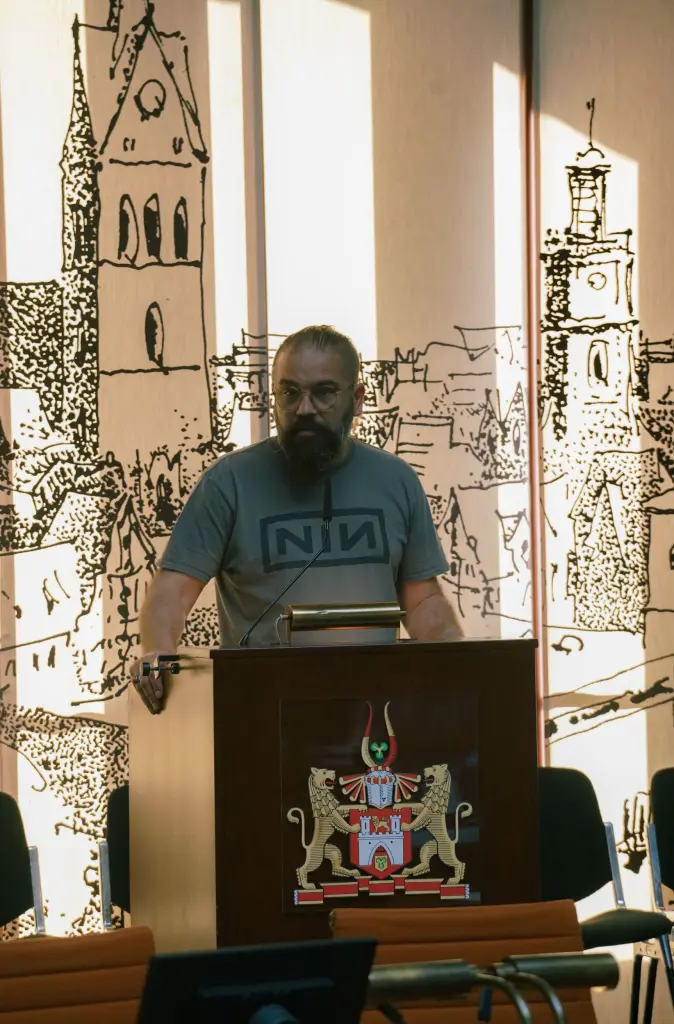
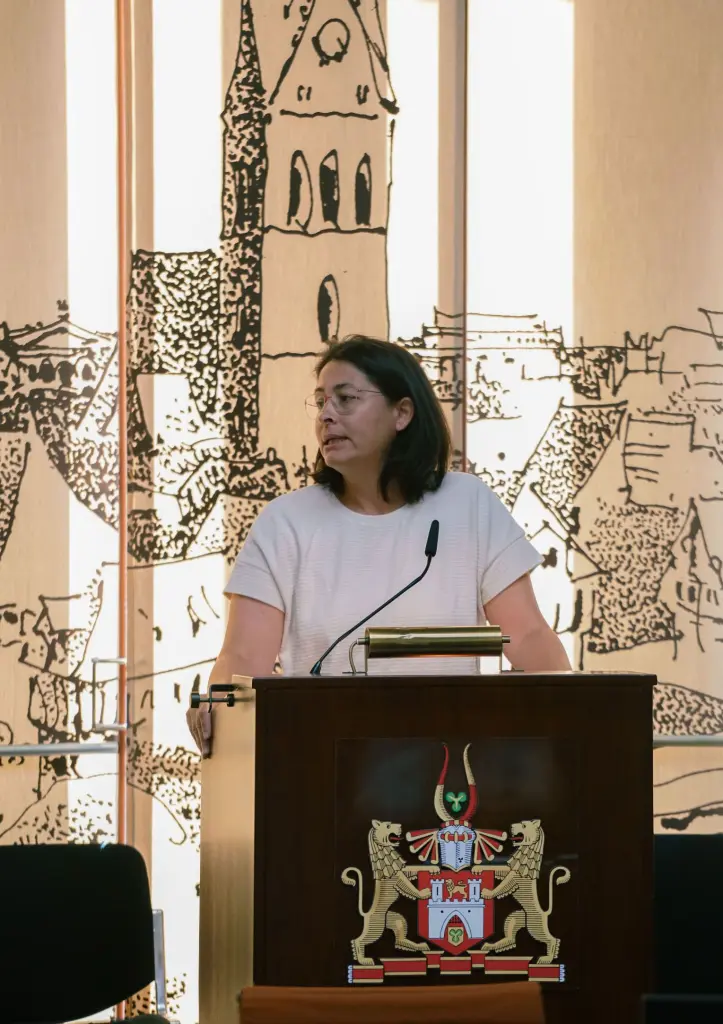
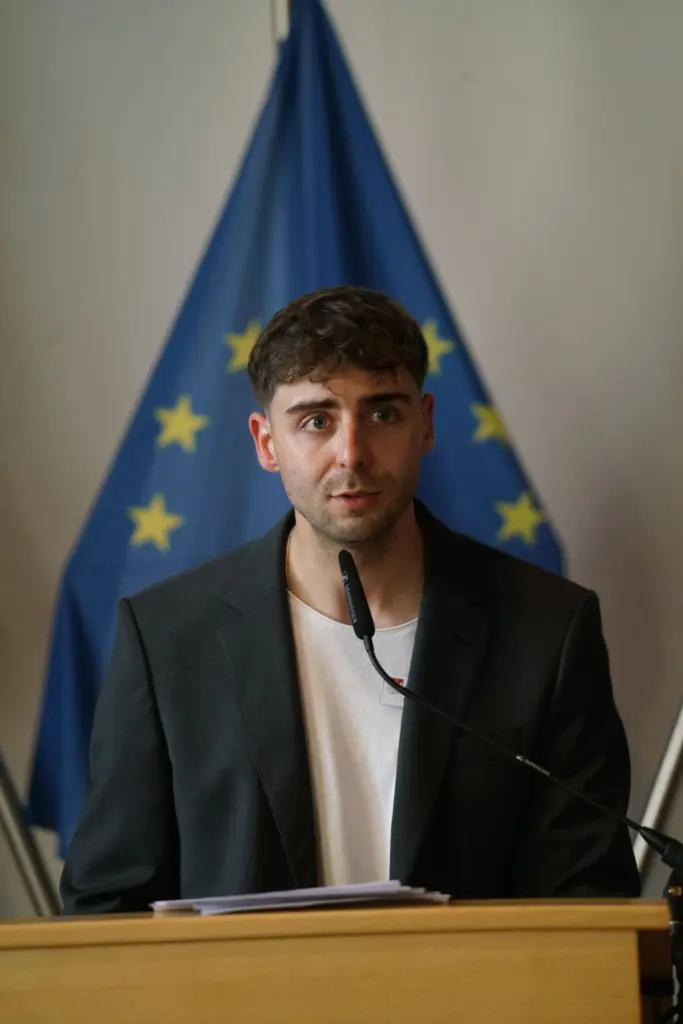
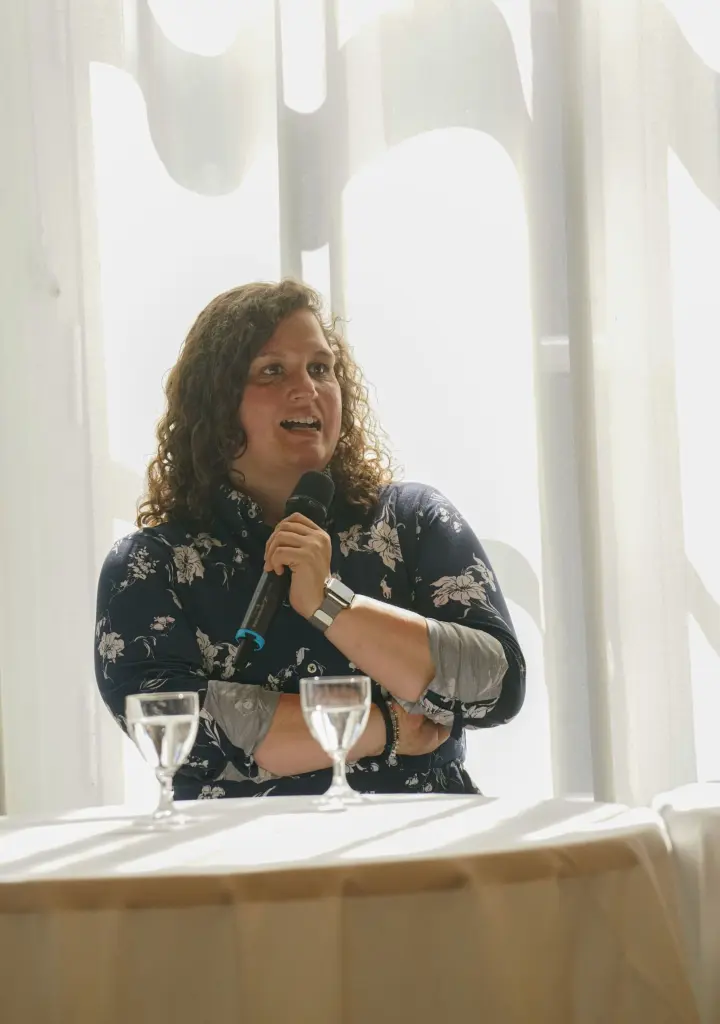
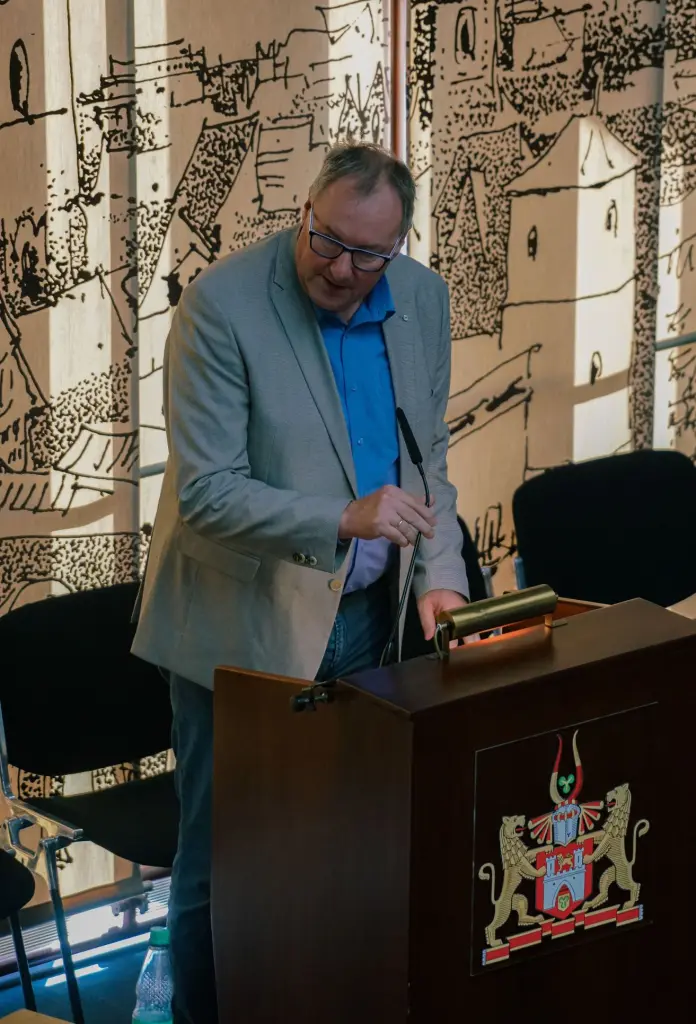
A broad range of contributions by high-ranking representatives from municipal, national, and international contexts reflected the sociopolitical importance of the “Round Table” and its anchoring in various fields of action. In addition to Hanover’s Lord Mayor Belit Onay, Filiz Polat, Parliamentary Secretary of Alliance 90/The Greens, and Minister of Education Julia Willie Hamburg, speakers included, among others, Kenan Emini (Chair of Roma Center e.V., 2nd Chair of the Federal Roma Association, and co-initiator of “SiRo”), Mario Franz (President of the Lower Saxony Association of German Sinti e.V. and co-initiator of “SiRo”), Dr. Isidora Randjelović (representing RomaniPhen e.V. and the Federal Roma Association), Prof. Dr. Eve Rosenhaft (University of Liverpool), Dr. Elke Gryglewski (Director of the Lower Saxony Memorials Foundation), and Dr. Jens Binner (Director of ZeitZentrum Zivilcourage). Other important representatives from the Ministry of Education, city administrations, and civil society organizations also attended the opening ceremony and supported the initiative.
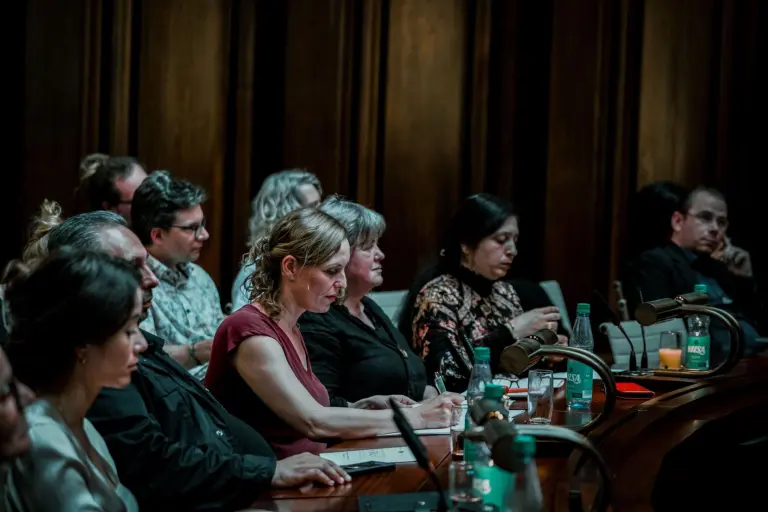
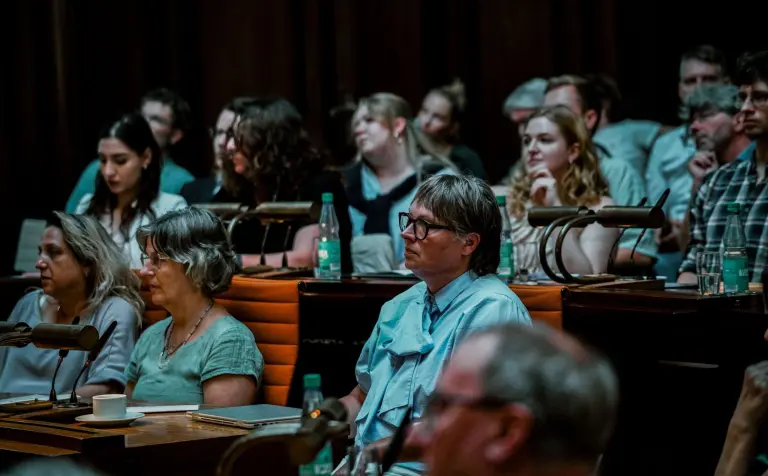
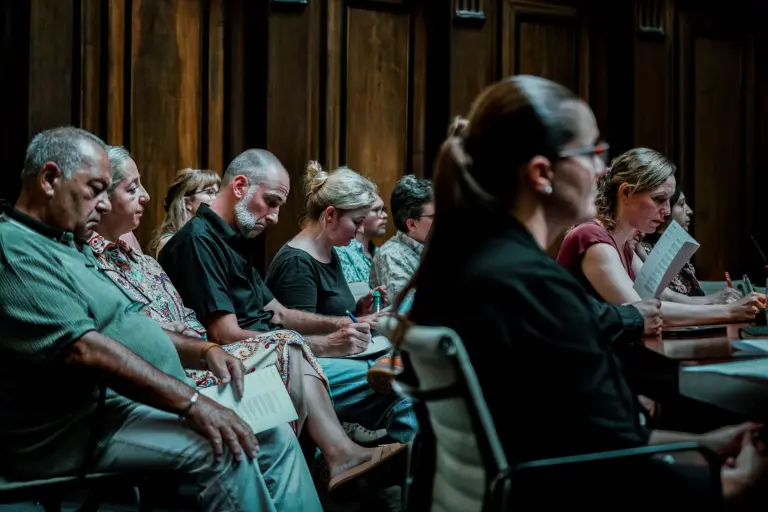
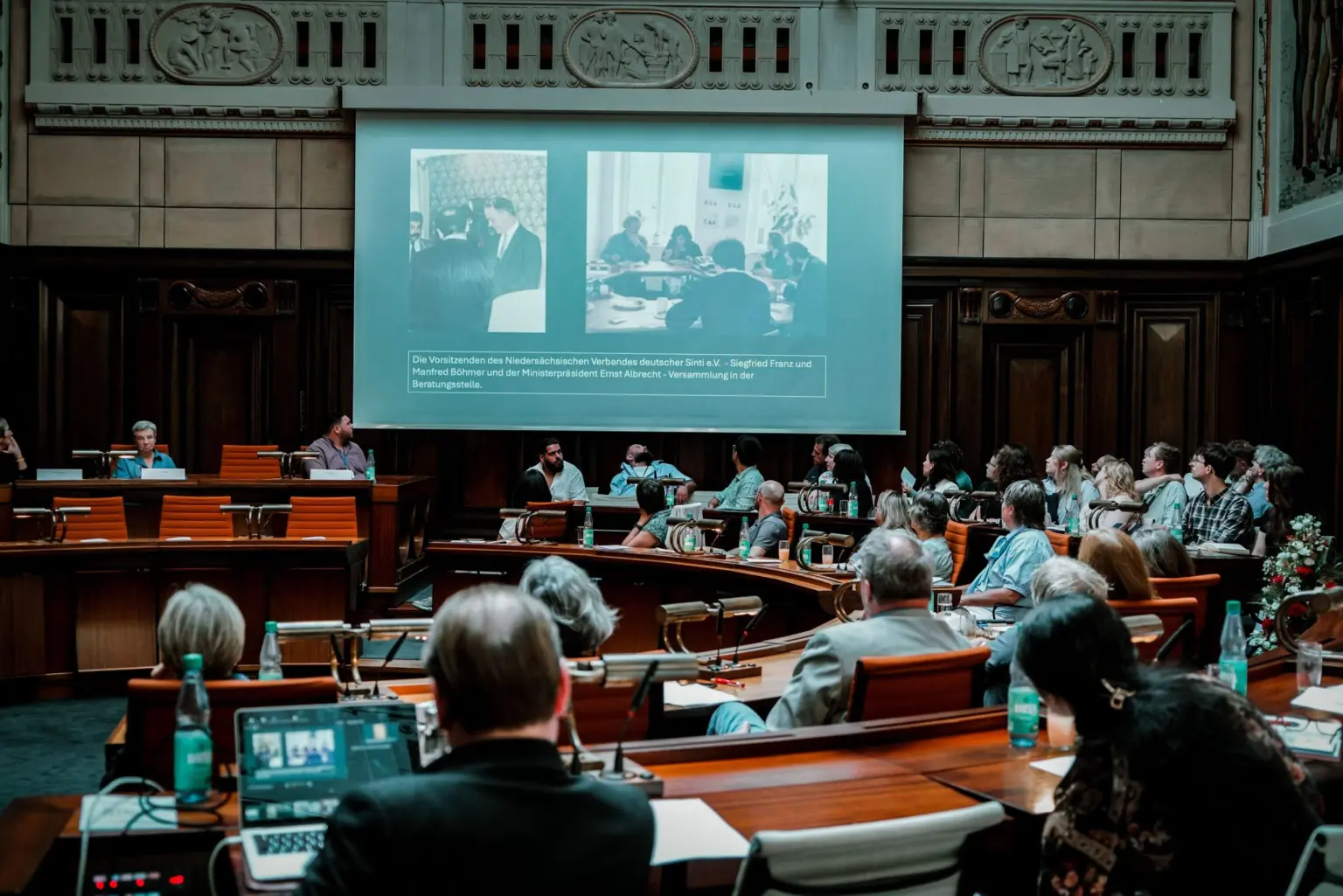
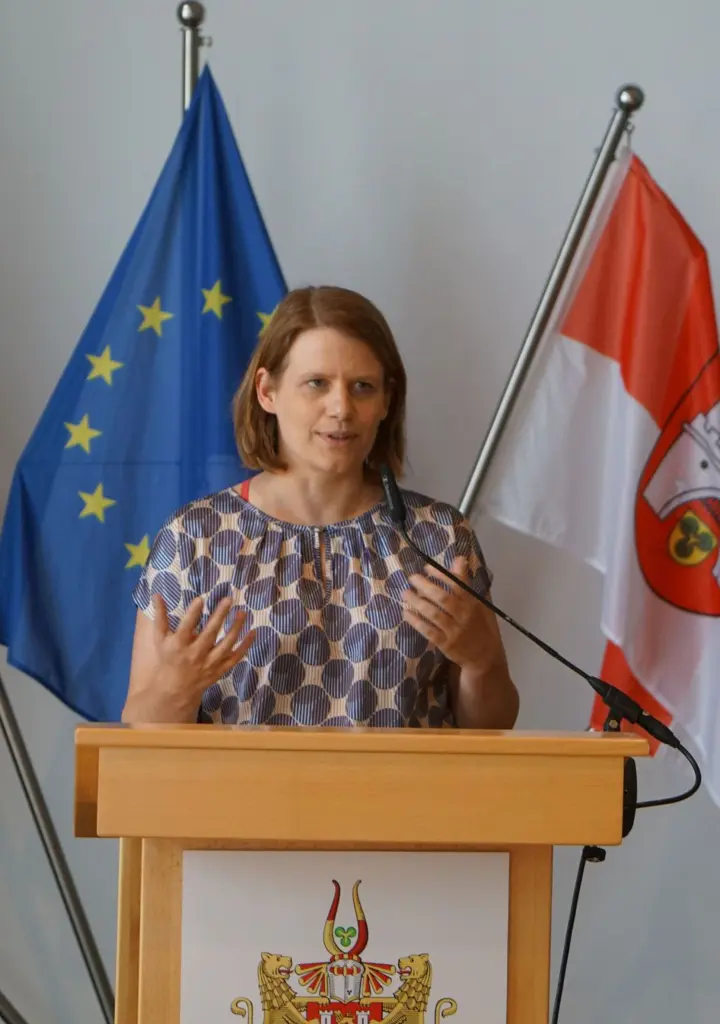
Particular attention was given to the panel discussion with Minister of Education Julia Willie Hamburg. She made it clear that cooperation with the “Round Table” is a matter close to her heart — especially in the field of education. Initial measures to implement an anti-discrimination-oriented education policy are already underway. At the same time, she emphasized how important trust between the communities and state institutions is for genuine cooperation on an equal footing.
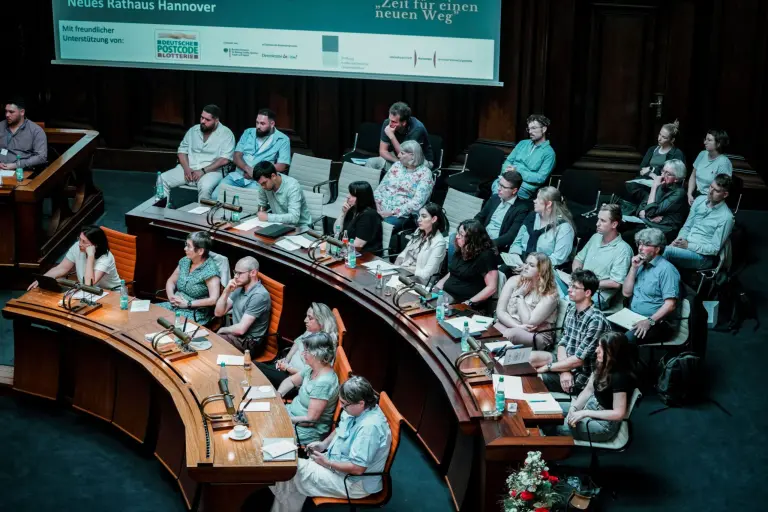
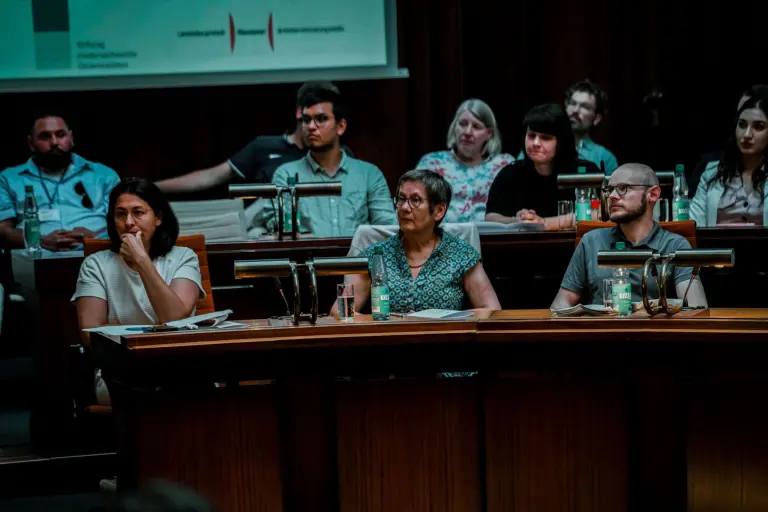
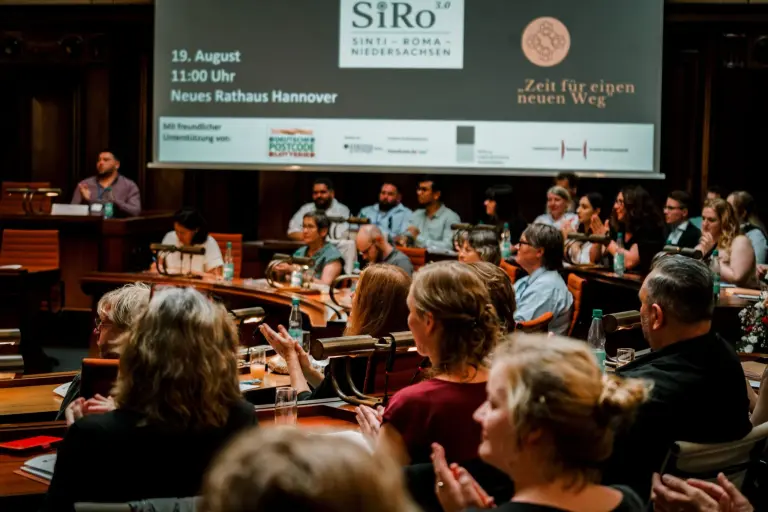
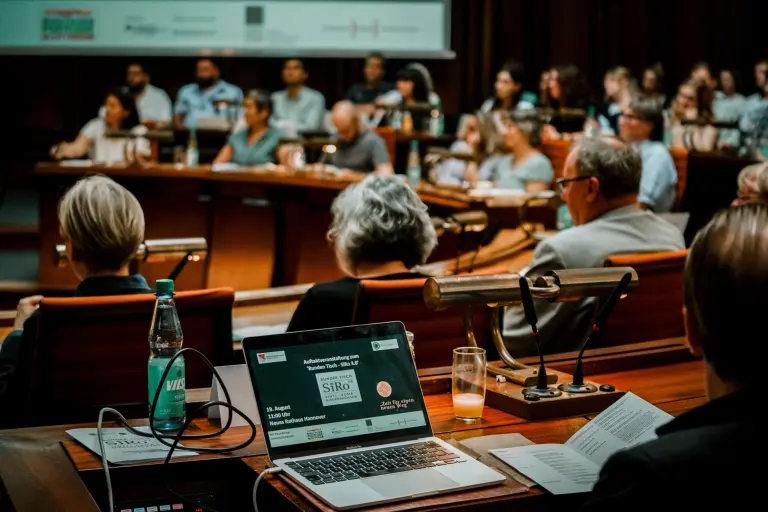
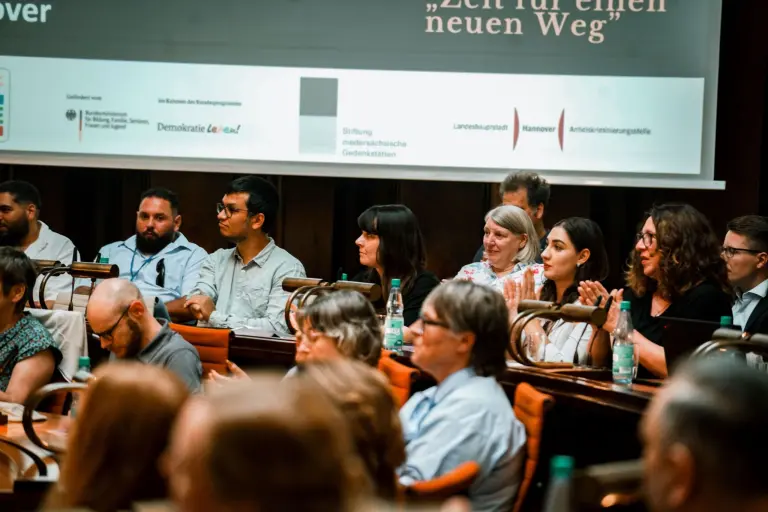
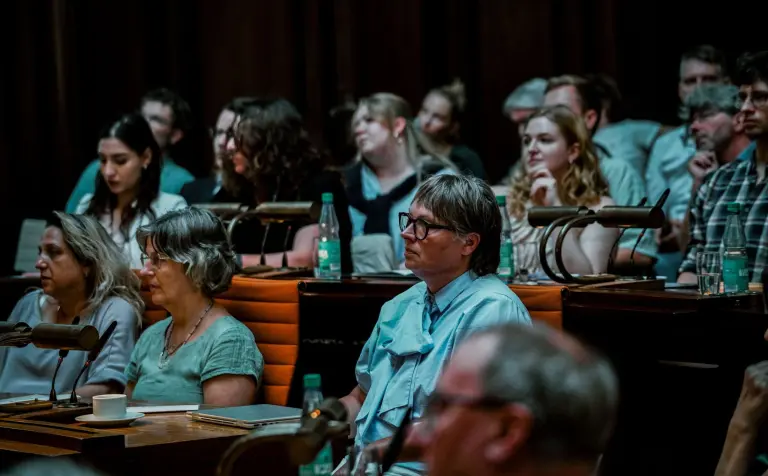
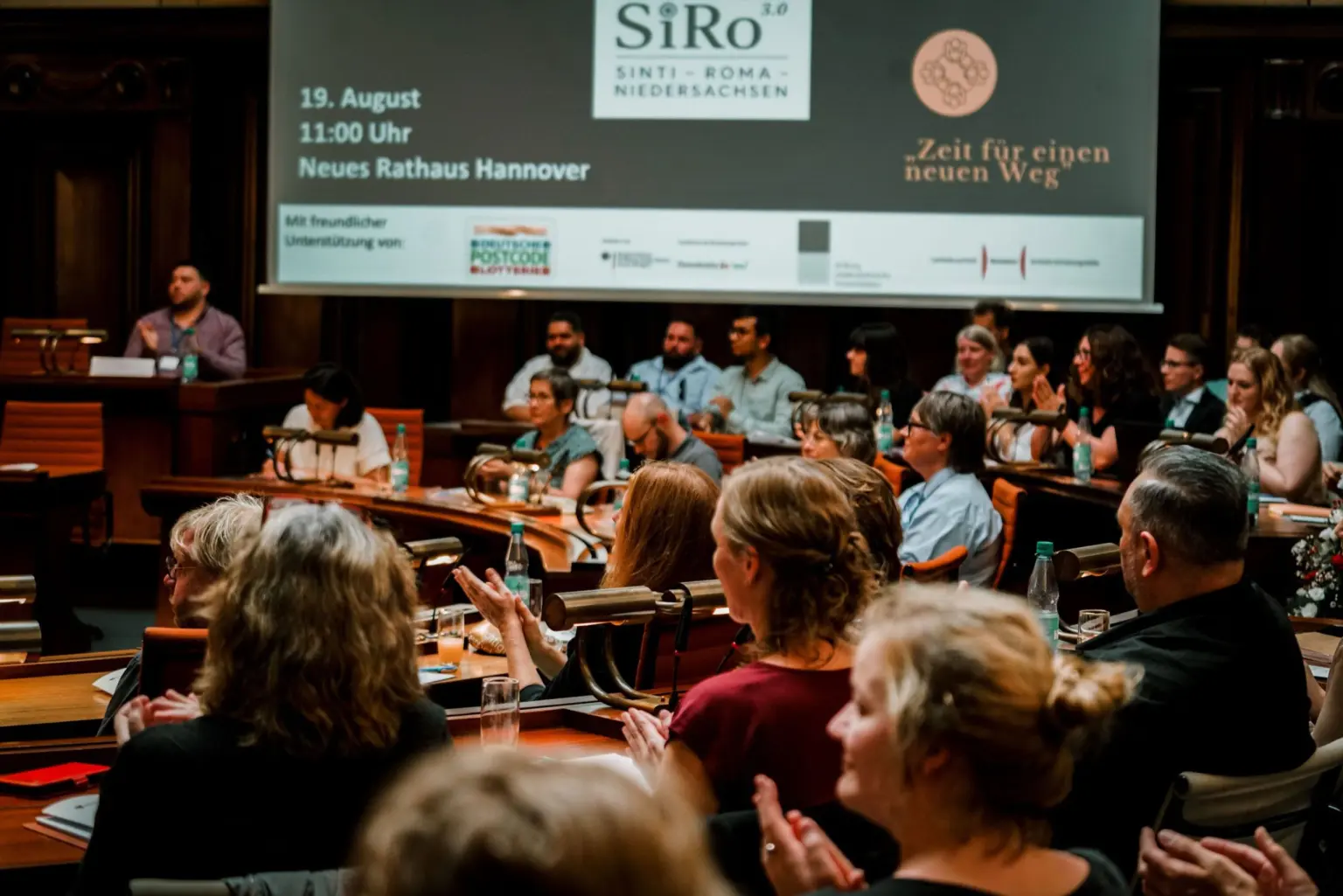
The presentations by Roma Center e.V. and the Lower Saxony Association of German Sinti e.V. highlighted both the diversity and the distinctiveness of the communities — as well as the 40-year history of their civil rights work, the decades-long and ongoing struggles of the migrant Roma community for their rights, and the role of the association as a political representative body since the end of the war.
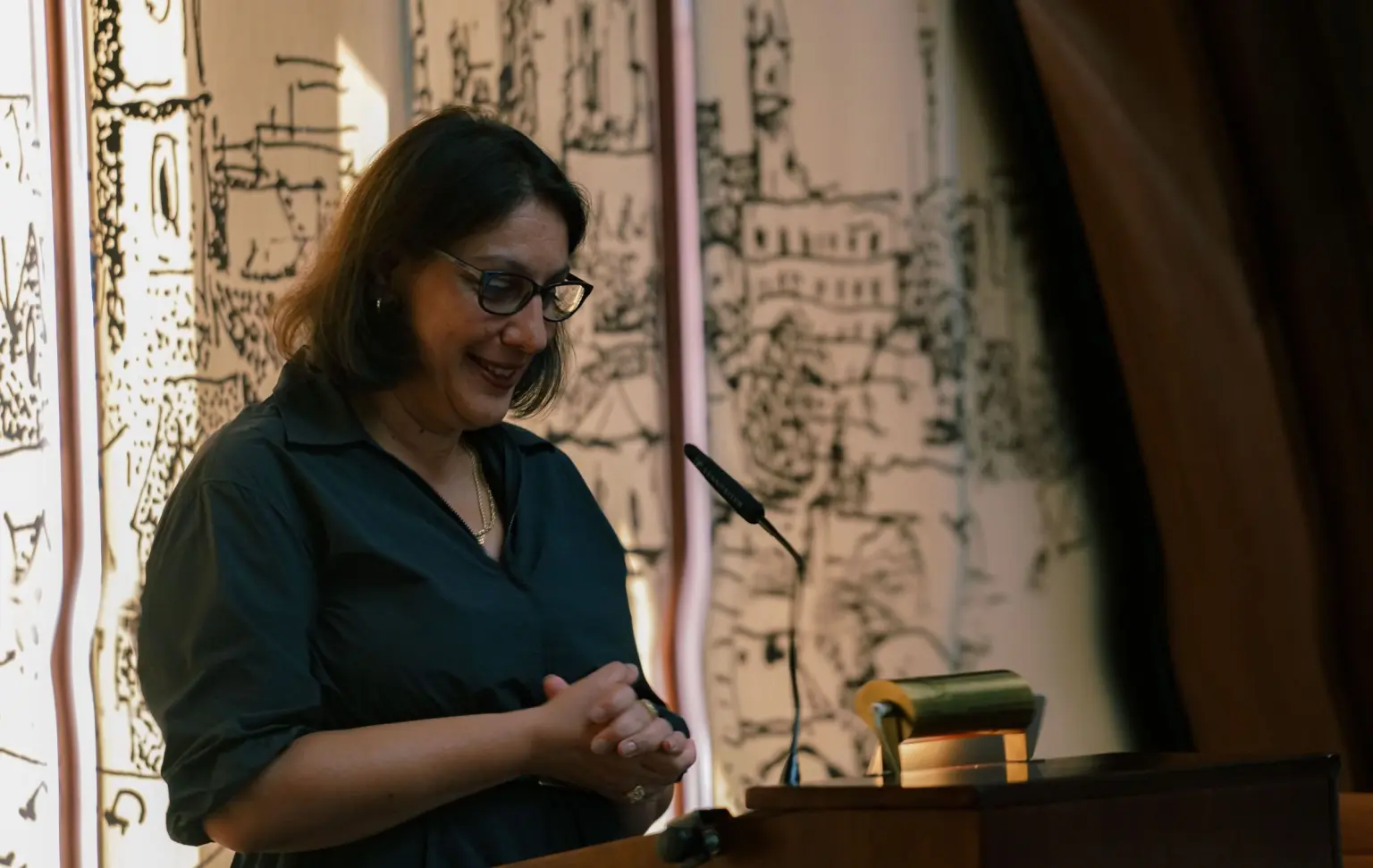
In her contribution, Dr. Isidora Randjelović, speaking on behalf of the Federal Roma Association — the umbrella organization of migrant and refugee Roma in Germany — addressed the paradoxical situation of Roma in Germany: migration brings safety and new perspectives, but at the same time also entails losses due to restrictive migration policies.
This is particularly evident in the area of rights: while Roma were recognized as a minority in their countries of origin and were entitled to language and cultural support, refugee and migrant Roma in Germany lose both these minority rights and the opportunity to gain rights through citizenship — a double exclusion that contradicts Europe’s promises of protection and support.
This is compounded by the historical burden of the National Socialist genocide, which destroyed families, language, professions, and entire cultural continuities. To this day, Roma remain targets of racist continuities and far-right violence. Nevertheless, public discourse tends to focus more on understanding the concerns of the so-called “worried citizens,” while the psychosocial and existential consequences for those actually affected by racism are rarely discussed in an adequate manner.
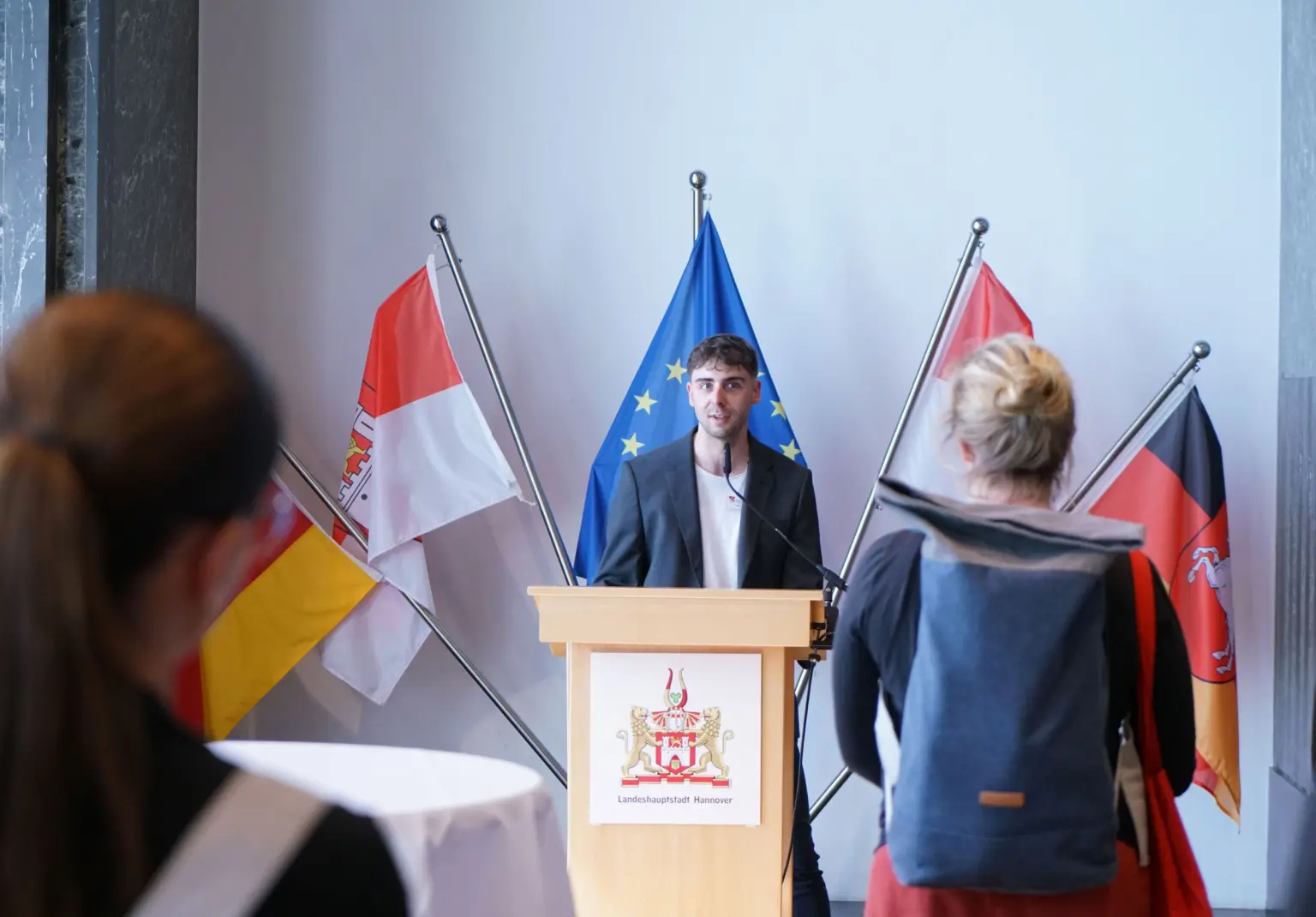
A special focus was set by the presentation of Ricardo Tietz, himself a Sinto from Hanover. Under the title “3.0 – Perspectives of the New Generation of German Sinti,” he outlined the lived realities of young Sinti between exclusion and emancipation — with a particular focus on their situation in schools and universities, as well as in the field of political remembrance culture.
His contribution made clear that the new generation of German Sinti now has access, for the first time, to education, academia, and professional participation, but at the same time still faces significant barriers and discrimination.
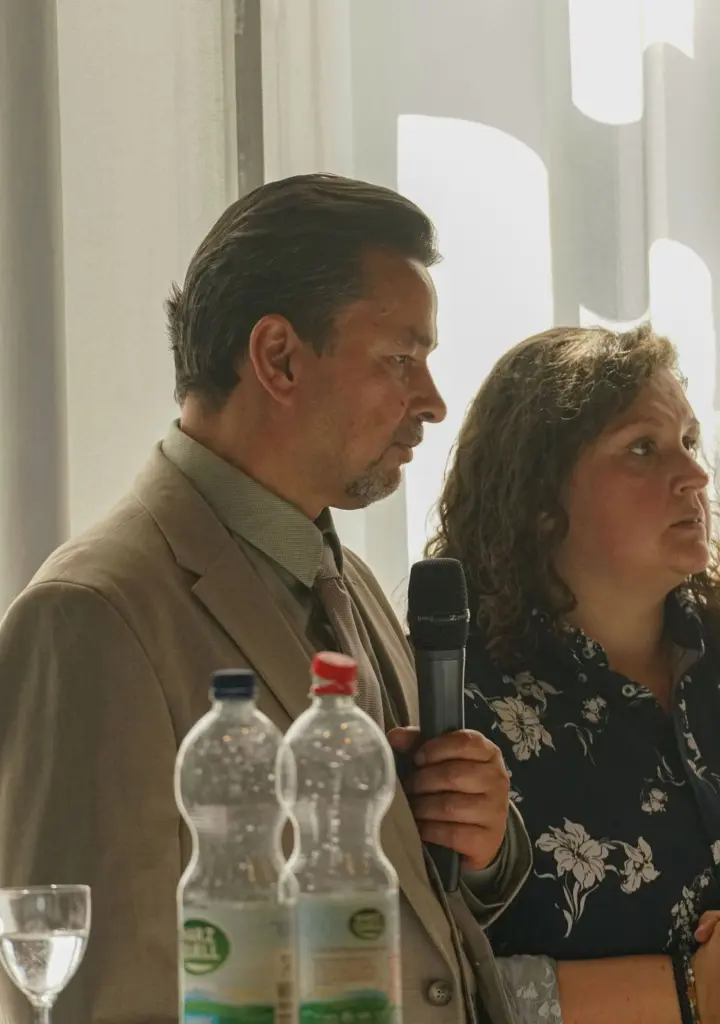
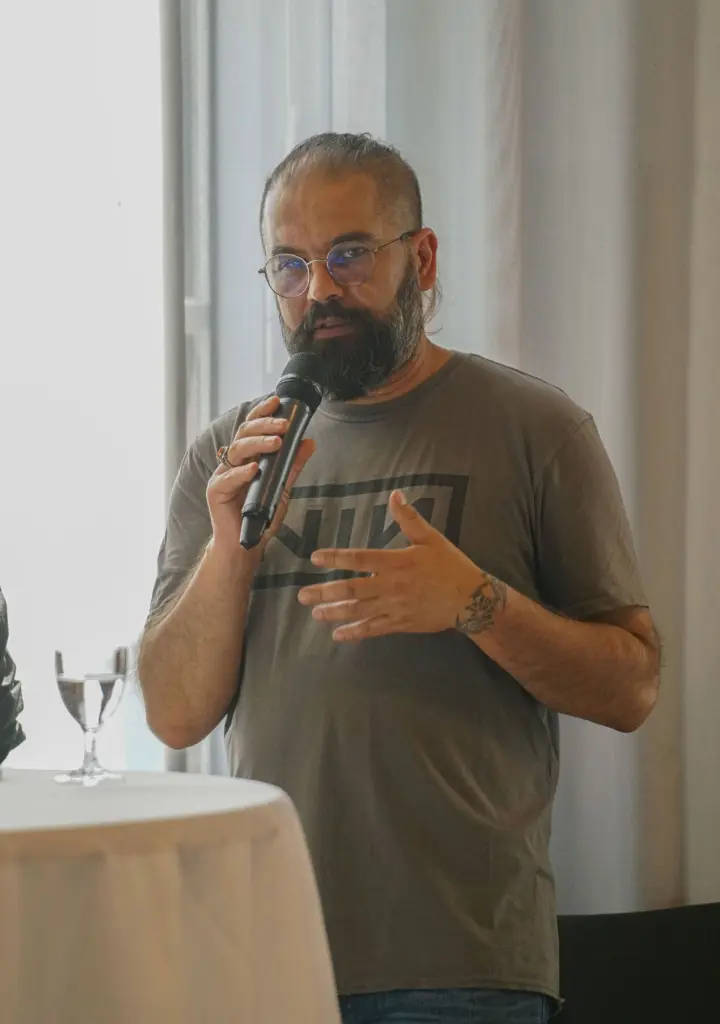
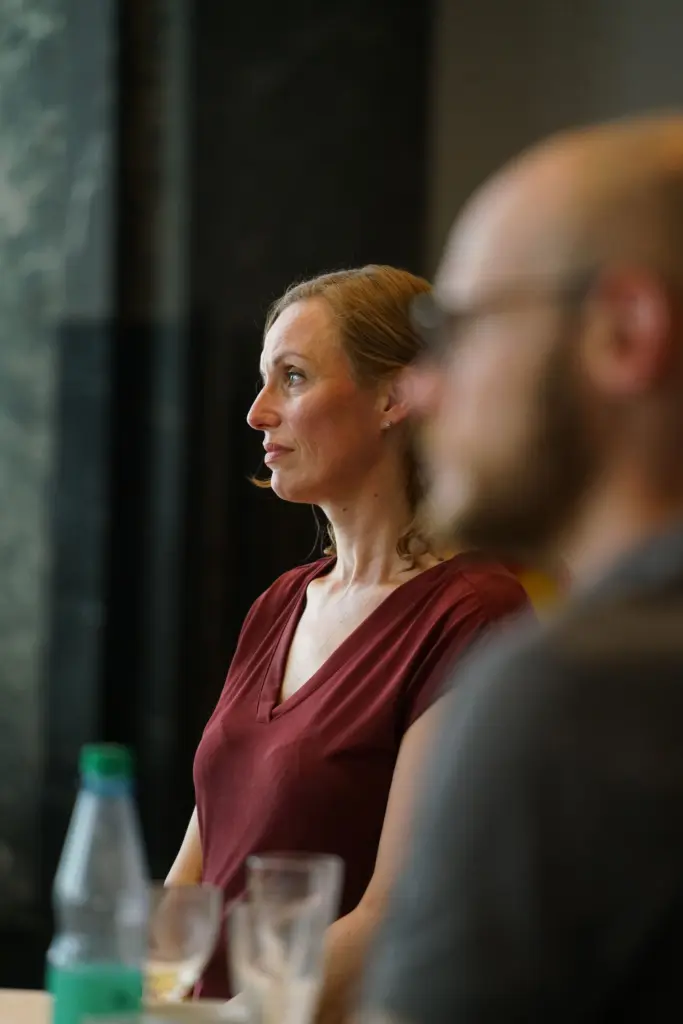
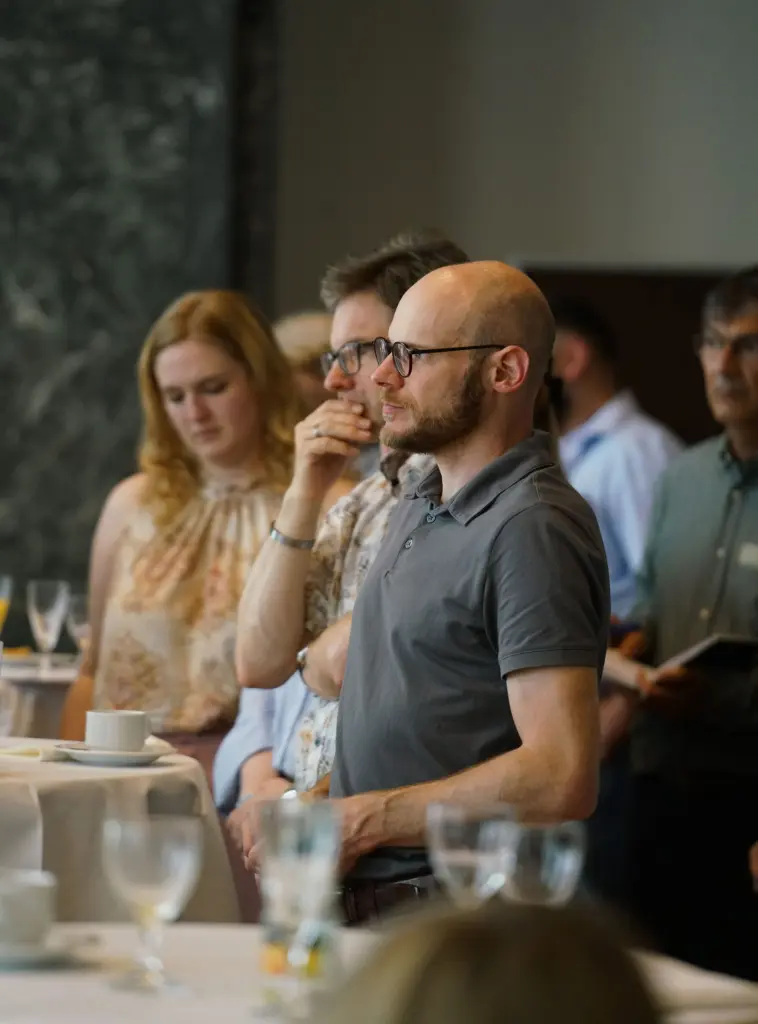
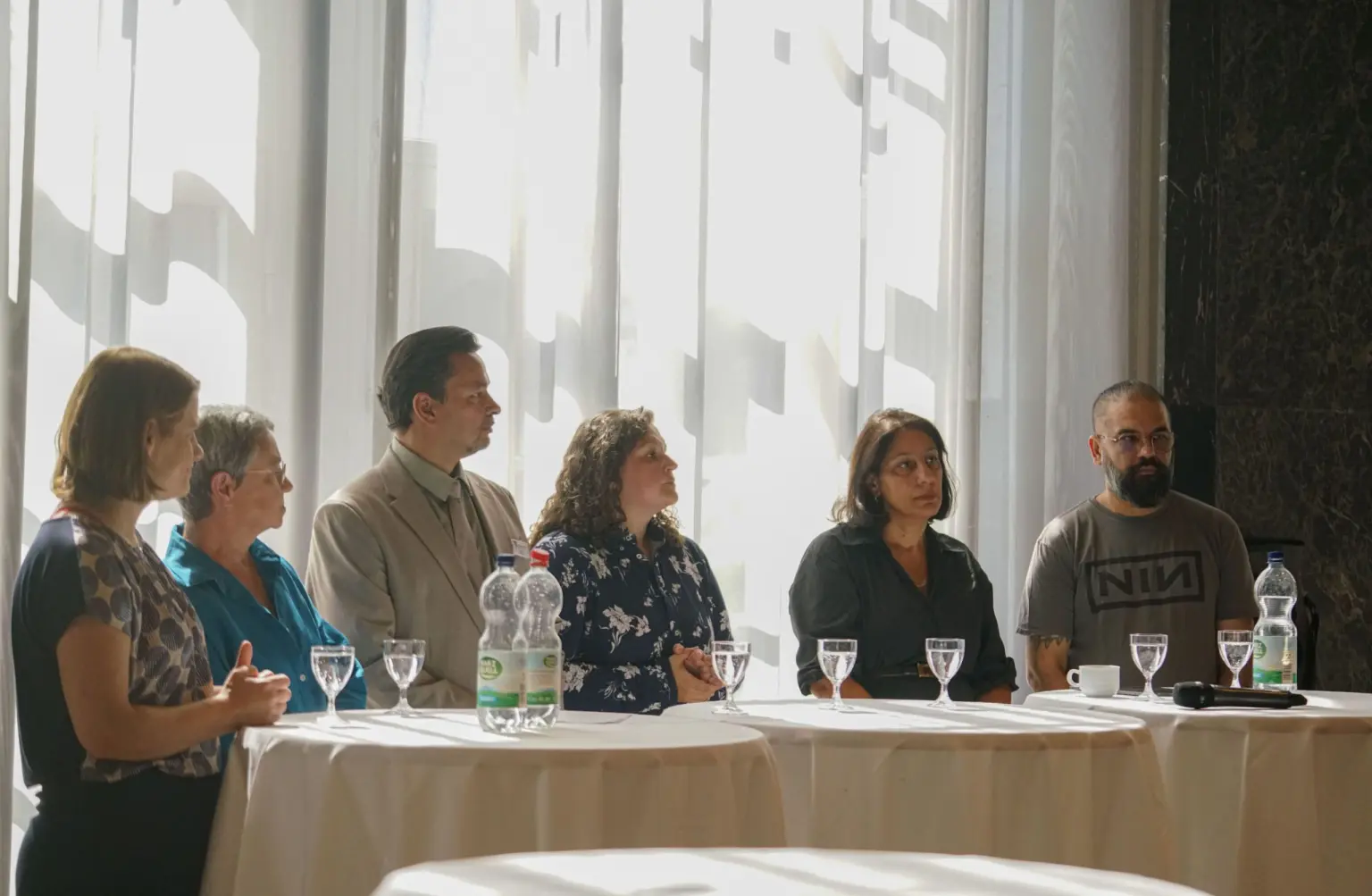
The “Round Table – SiRo 3.0” understands itself as a lasting platform for democratic participation: a space in which communities can contribute their own issues, perspectives, and expertise in a self-determined way.